
Open-Cell vs Closed-Cell Spray Foam: Which Is Right for Your Home?
Open-cell and closed-cell spray foam differ in R-value, moisture control, and cost. Learn where each belongs in your home and what to expect during installation.
Read moreOpen- and closed-cell spray foam for attics, walls, rim joists, crawl spaces and metal buildings — insulation and air sealing in one step.
Most homes don't lose comfort because they lack insulation — they lose it through air leaks around top plates, rim joists, recessed lights and duct chases. Spray polyurethane foam expands into those gaps and stops the air movement that fiberglass batts simply let pass through.
We help you choose between open-cell and closed-cell foam based on where it's going, your climate zone and your budget, and we handle the prep, ventilation and clean-up so your household can move back in on a clear schedule.
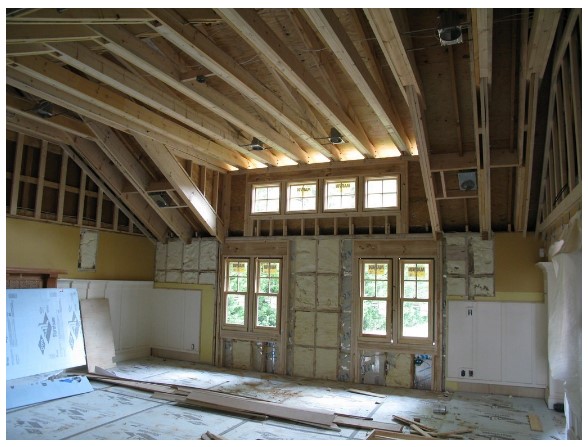
Rooms over garages and upstairs bedrooms stop swinging hot and cold once the envelope is sealed.
Sealing air leaks and insulating ducts inside a conditioned attic can noticeably reduce heating and cooling costs.
A tighter envelope keeps dust, pollen and attic air out of living spaces.
Closed-cell foam also acts as a vapor retarder — valuable in humid Florida crawl spaces and Tennessee basements.
We inspect the attic, walls or crawl space, check ventilation and combustion appliances, and recommend foam type and thickness.
Surfaces are cleaned and masked, and occupants and pets leave for the manufacturer's re-occupancy window.
Certified installers apply foam in controlled passes with continuous exhaust ventilation.
We check thickness, trim overspray, clean up and walk you through the results.
Typical ranges to help you plan. Every property is different — your written estimate is based on an on-site visit.
| Item | Main cost drivers | Typical range* |
|---|---|---|
| Open-cell foam | Thickness (typically 3.5–5.5"), access | ≈ $0.45 – $0.65 per board foot |
| Closed-cell foam | Thickness (typically 1.5–3"), substrate | ≈ $1.00 – $1.50 per board foot |
| Attic roofline conversion | Roof area, pitch, old insulation removal | ≈ $3,500 – $10,000+ |
| Rim joist sealing | Linear feet of basement perimeter | ≈ $800 – $2,000 |
| Old insulation removal | Attic size, contamination | ≈ $1,000 – $3,000 |
* Approximate 2026 ranges for our service areas, for planning purposes only; not an offer or quote. See our disclaimer.
Open-cell is lighter, lower cost and great for sound and air sealing in attics and interior walls. Closed-cell has a higher R-value per inch, adds rigidity and resists moisture, so it is preferred for basements, crawl spaces, rim joists and metal buildings.
Manufacturers typically specify a re-occupancy window of roughly 24 hours after spraying, with ventilation running. We follow the specific product's guidance and tell you exactly when it's safe.
A tighter house is a good thing, but it needs controlled ventilation. We look at combustion appliances and fresh-air needs and will tell you if a ventilation upgrade makes sense.
Usually old batts or loose fill are removed first so the foam can bond to the framing or deck and seal air leaks properly.
Open-cell and closed-cell spray foam differ in R-value, moisture control, and cost. Learn where each belongs in your home and what to expect during installation.
Read moreUpgrading attic and basement insulation improves comfort, air quality and energy use — and protects pipes and foundations. Here are five reasons to do it.
Read moreDamp walls, musty odors, or standing water? Learn how to diagnose below-grade moisture, choose the right waterproofing approach, and budget for a dry foundation.
Read moreTell us a little about the property and the problem. We'll reply within one business day to schedule a visit.
Other services:
Fields marked * are required. We reply within one business day.