When to Call a Certified Arborist: Tree Hazard Signs, Pruning, and Storm Prep
Dead limbs, cracks, a new lean, or mushrooms at the base can all signal a tree in trouble. Here is when to bring in a certified arborist and what to ask first.
Read moreArborist-led tree health checks, structural pruning, hazard assessments, storm prep, removals and stump grinding.
Mature trees add shade, value and character to a property — until a split trunk or a dead limb hangs over the bedroom. Good tree care is about spotting problems early and pruning in a way that makes the tree stronger rather than weaker.
Our arborist-led crews assess structure and health first, explain the options (including leaving a tree alone), and then prune, cable or remove with equipment chosen to protect lawns, driveways and septic fields.
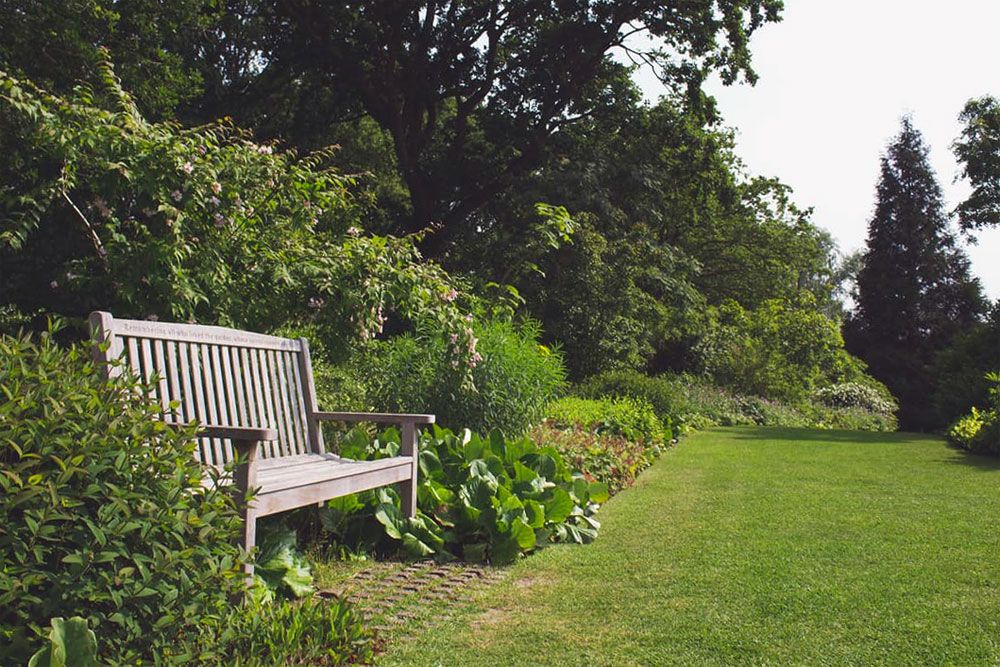
Hazard limbs over roofs, driveways and play areas are identified and addressed before storms test them.
Correct cuts at the right time of year help trees seal wounds and resist decay — we never top trees.
Rigging and ground protection keep your lawn, pavers and drain field intact.
Seasonal pruning reduces wind sail and ice load, lowering the risk of failure in storms.
We inspect trees from the root flare to the canopy and note defects, disease and targets.
You get clear options — prune, cable, monitor or remove — with a written quote.
Crews use proper rigging, cut to industry pruning standards and protect the site.
Branches are chipped, logs removed or left as agreed, and the site is raked clean.
Typical ranges to help you plan. Every property is different — your written estimate is based on an on-site visit.
| Item | Main cost drivers | Typical range* |
|---|---|---|
| Small tree pruning (under 25 ft) | Access, amount of deadwood | ≈ $200 – $500 per tree |
| Large tree pruning (25–60 ft) | Climbing vs. lift, targets below | ≈ $500 – $1,500 per tree |
| Tree removal | Height, lean, proximity to structures | ≈ $600 – $3,500+ |
| Stump grinding | Diameter, root spread, access | ≈ $120 – $450 per stump |
| Cabling & bracing | Number of cables, tree size | ≈ $300 – $1,000 |
* Approximate 2026 ranges for our service areas, for planning purposes only; not an offer or quote. See our disclaimer.
For many species, late dormant season (winter to very early spring) is ideal because wounds close quickly once growth starts and it's easier to see structure. Dead or hazardous limbs can be removed any time.
No. Topping creates large wounds that decay and triggers weakly attached sprouts that break easily. Reduction pruning to proper lateral branches achieves height control far more safely.
Yes — roots seek out water and nutrients in drain lines. We can advise on safe planting distances and on removing or managing trees near your tank and field.
Some cities and HOAs regulate removal of certain trees or trees above a size threshold. We'll help you check local rules before work begins.
Dead limbs, cracks, a new lean, or mushrooms at the base can all signal a tree in trouble. Here is when to bring in a certified arborist and what to ask first.
Read moreSoggy ground, odors, and slow drains can all point to a failing leach field. Learn the 10 warning signs, how problems are diagnosed, and your repair options.
Read moreDamp walls, musty odors, or standing water? Learn how to diagnose below-grade moisture, choose the right waterproofing approach, and budget for a dry foundation.
Read moreTell us a little about the property and the problem. We'll reply within one business day to schedule a visit.
Other services:
Fields marked * are required. We reply within one business day.